Thinking about going solar in Texas but unsure what it’ll cost? You’re not alone. It’s one of the first and most important questions homeowners ask. The truth is, while there’s no one-size-fits-all number, we can break down the factors, incentives, and savings so you can see exactly what you’re getting and why it makes financial sense.
This homeowner’s guide walks you through solar panel pricing in Texas, what influences cost, how you can reduce that cost, and how solar compares to just sticking with your current electric bill. We’ll also explore financing options, utility-specific programs, system design decisions, installation timelines, and what happens after your system goes live.
Average Cost of Solar in Texas
In Texas, the average cost to install solar panels ranges from $2.30 to $3.10 per watt before incentives. Here’s what that looks like for a typical home:
| System Size | Avg Cost (Before Incentives) | Avg Cost (After 30% Tax Credit) |
| 6 kW | $14,000 – $16,500 | $9,800 – $11,500 |
| 8 kW | $18,000 – $21,000 | $12,600 – $14,700 |
| 10 kW | $22,000 – $26,000 | $15,400 – $18,200 |
The typical system size in Texas is around 8 kW, especially for homes with central air, large appliances, or higher summer energy usage. Smaller systems might fit households with low demand or excellent roof orientation.
How to Calculate the Right System Size for Your Home
Before diving deeper, it’s helpful to understand what size system you actually need. System size is measured in kilowatts (kW) and depends on your home’s energy usage, roof layout, shading, and your goal: offsetting 100% of your usage or just a portion.
Here’s a simple way to estimate your system size:
- Review your last 12 months of electric bills
- Total your kilowatt-hour (kWh) usage for the year
- Divide that number by 1,300 (the average kWh produced per kW of solar per year in Texas)
Example: If your home uses 13,000 kWh per year:
- 13,000 ÷ 1,300 = 10 kW system
This gives you a rough estimate. A qualified solar provider will fine-tune this based on your location, electric provider, and specific goals.
What Affects Solar Pricing in Texas?
1. System Size
Bigger systems mean more panels and more labor—but also more energy and savings. A larger upfront investment often translates into higher ROI.
2. Equipment Type and Efficiency
Tier 1 panels, high-efficiency models, smart inverters, and performance monitoring systems all affect the final cost. Better equipment delivers more power, lasts longer, and comes with stronger warranties.
3. Roof Conditions
The pitch, shape, material, and condition of your roof all factor into installation complexity. Flat roofs or those with multiple levels may require special mounting solutions.
4. Utility Territory & Incentives
Where you live in Texas matters. Cities like Austin and San Antonio have additional incentives and faster permitting. Rural areas may have longer timelines or limited provider options.
5. Battery Storage Add-Ons
A battery can add $10,000–$16,000 to your project but provides backup power, peak time savings, and storm resilience.
Texas Solar Incentives and Utility Programs
Federal Solar Tax Credit (ITC): This 30% credit applies to the full cost of your system, including batteries. It directly reduces the amount of tax you owe.
Local Utility Rebates:
- Austin Energy: Up to $2,500 for qualifying homeowners
- CPS Energy (San Antonio): Rebate varies based on system specs and orientation
- Oncor (Dallas/Fort Worth): Periodic rebate programs for qualified installations
Property Tax Exemption: Your system’s value is exempt from property tax assessment in Texas. That means your home is worth more, but your tax bill stays the same.
Buyback Programs: Some electricity providers credit you for surplus energy your panels export to the grid. This varies by provider and can significantly boost your savings if structured well.
Financing Options for Texas Homeowners
1. Cash Purchase: Highest long-term ROI. No interest. Full control over system.
2. Solar Loans: Low-interest loans with zero-down options. Most homeowners replace their electric bill with a loan payment that’s fixed and ends after 10–20 years.
3. HELOC or Home Equity Loan: Often provides the lowest interest rate and potential tax benefits.
4. Leases/PPAs: Rare in Texas and generally not ideal for homeowners who want maximum savings and ownership.
Comparing Solar vs. Staying with the Grid
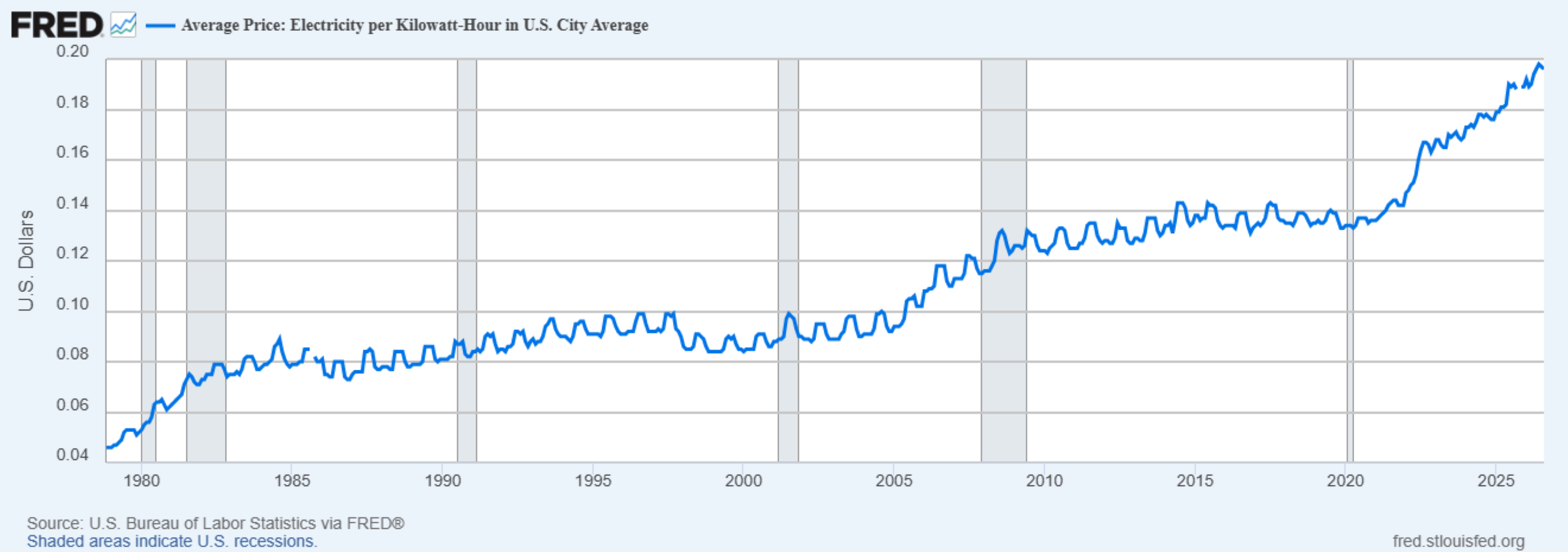
Grid Costs Over Time: Let’s say your monthly bill is $250:
- Yearly: $3,000
- 25 years: $75,000+
With solar:
- Upfront cost: $16,000 (after incentives)
- Annual electric cost: $200–$500
- 25-year savings: $50,000–$65,000
Even if you finance the system, your monthly payment may be lower than your current utility bill and your “payoff” date is predictable.
Regional ROI: How Location Affects Performance
Austin: Strong incentives and high electricity rates = short payback period (6–8 years)
San Antonio: CPS Energy’s solar rebates can cut costs significantly. Solar performs well year-round.
Dallas/Fort Worth: Oncor rebates and high A/C usage make this a strong solar market.
Houston: Less incentive availability, but very high summer energy bills = big savings potential, especially with battery backup.
El Paso: High solar potential, with drier climate and fewer cloudy days, but fewer local rebates.
What Happens After You Sign the Contract
Once you’ve approved your proposal and signed the contract, here’s what to expect:
1. Site Survey & Engineering (1–5 Days)
A technician visits your home to measure your roof, inspect your electrical system, and take photos for the final design.
2. Final Design & Permitting (5–15 Days)
Engineers finalize your system layout, equipment selection, and file for permits with your city or county.
3. Utility Interconnection Approval (5–20 Days)
Your utility provider must approve the system design and issue permission to connect to the grid.
4. Installation Day (1–2 Days)
Your system is installed by certified technicians. This includes panel mounting, wiring, inverter connection, and inspection setup.
5. Final Inspection & PTO (3–10 Days)
A city inspector or utility rep reviews the system. Once passed, you receive Permission to Operate (PTO), and your system goes live.
Total timeline: ~4–8 weeks from contract to activation
Maintenance, Monitoring, and Warranty Expectations
Solar systems are low-maintenance, but they’re not maintenance-free. Here’s what to expect:
Monitoring: Most systems come with a mobile app to track performance, energy production, and usage. You’ll get alerts for outages, dips in performance, or maintenance needs.
Cleaning: In Texas, rainfall usually keeps panels clean, but in dusty areas, a simple hose rinse or annual cleaning may help.
Warranties:
- Panels: 25–30 years (power production warranty)
- Inverters: 10–25 years depending on brand
- Labor/workmanship: 5–10 years from your installer
Energy Reliable monitors systems remotely and notifies homeowners if performance drops. We also offer optional service plans.
FAQ: What Texas Homeowners Ask Most
Do solar panels work during power outages? Only if you have a battery backup system. Without one, your grid-tied solar shuts off to protect utility workers during outages.
What if I move? Solar adds resale value and often helps homes sell faster. You can transfer your loan to the buyer or pay it off at closing.
Can I expand my system later? Yes—if your inverter and roof space allow. We design for future expansion when possible.
Will I still have an electric bill? Most solar homes still receive a small bill. You pay for any power drawn from the grid when your system isn’t producing.
Do I need a new roof? If your roof is nearing the end of its life, it’s smart to replace it before installing solar. We’ll evaluate this during your site inspection.
How long do solar panels last? Most last 25–30 years or longer. Many panels still produce over 80% of their original output after 25 years.
Can I add battery storage later? Yes—if the system is battery-ready or you upgrade the inverter. Many customers add storage after installation as incentives improve.
Final Thoughts
The cost of solar panels in Texas isn’t just about the price tag. It’s about creating long-term freedom from utility rate hikes, staying online during grid failures, and making a smart investment that adds value to your home.
With the right partner, you can design a system that fits your needs, maximizes your return, and protects your family’s comfort for decades.