If you live in Texas and you’re tired of high energy bills, blackout scares, and rate hikes, you might be wondering: Is solar worth it?
Short answer: Yes and especially in Texas.
But to make it truly worth it, you need to understand the costs, savings, incentives, and what separates a good solar investment from a bad one. This guide covers everything you need to know, backed by data and tailored specifically for Texas homeowners.
Why Texas Is One of the Best States for Solar
Texas leads the U.S. in solar potential thanks to:
- Over 200 sunny days per year in most regions
- High electricity usage due to extended summer heat
- Frequent grid failures that make backup power critical
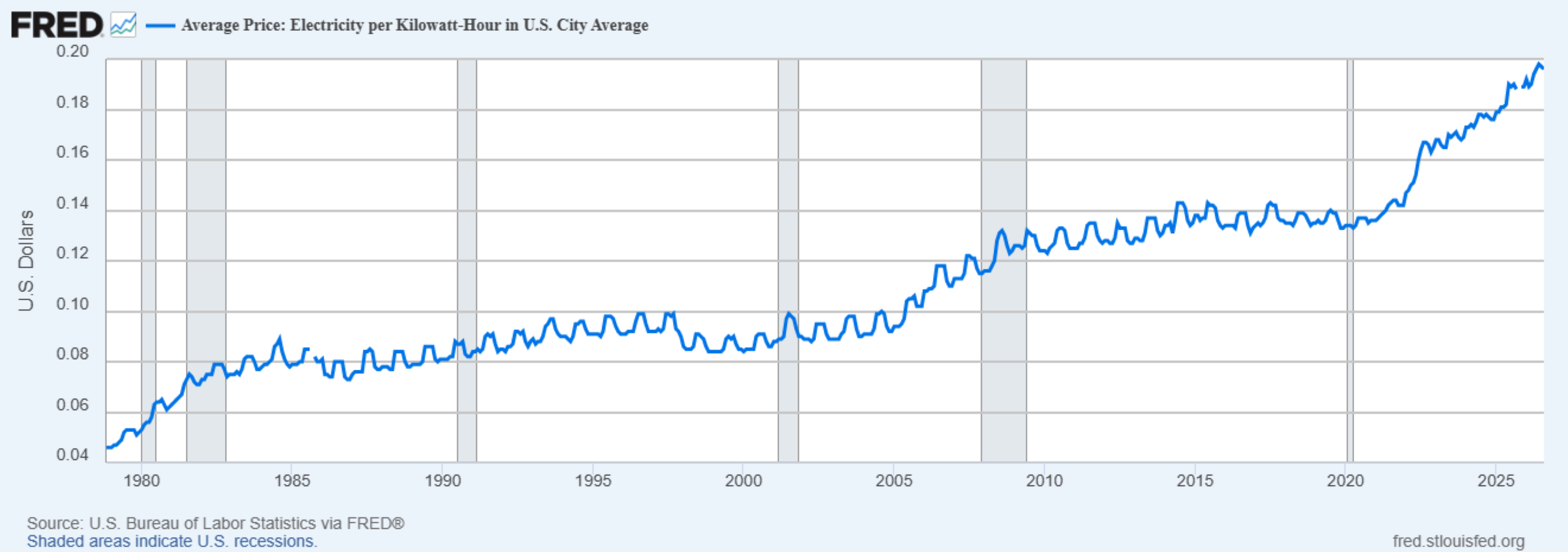
- Rising utility rates year after year
- Incentive-friendly markets in cities like Austin, San Antonio, and Dallas
Texas is also a deregulated electricity market, giving homeowners more choice and more opportunity to profit from energy independence.
If you’re tired of watching your energy bill spike every summer or losing power during major weather events, solar offers a stable, long-term solution to take control of your energy costs.
How Much Do Solar Panels Cost in Texas?
| System Size | Avg Cost Before Incentives | Avg Cost After 30% Tax Credit |
| 6 kW | $14,000–$16,500 | $9,800–$11,500 |
| 8 kW | $18,000–$21,000 | $12,600–$14,700 |
| 10 kW | $22,000–$26,000 | $15,400–$18,200 |
These numbers represent average ranges across Texas. In urban areas, costs may be slightly higher due to local permitting and code compliance. In rural areas, access to installers and grid requirements can also affect the final price.
Energy Reliable includes everything in our quotes from permitting and equipment to system design and labor so there are no surprises later.
Available Solar Incentives for Texans
Solar incentives are one of the biggest factors in lowering your system cost and increasing ROI.
Federal Solar Tax Credit (ITC): The most important incentive currently available is the federal Investment Tax Credit. It allows you to claim 30% of your total solar installation cost as a credit on your federal taxes. That means if your system costs $20,000, you could receive $6,000 back as a tax credit.
Texas Utility Rebates (Location Dependent): Several utilities across Texas offer additional rebates, which can reduce your cost by hundreds or even thousands:
- Austin Energy: Up to $2,500 in residential solar incentives
- CPS Energy (San Antonio): Performance-based rebates for qualifying systems
- Oncor (Dallas/Fort Worth): Periodic cash incentives for approved solar installations
Net Metering / Buyback Programs: Texas doesn’t have a statewide net metering law, but several retail electricity providers offer buyback programs. These programs credit you for excess energy your system sends to the grid, helping you offset your nighttime energy use. Some plans offer near retail value, while others are lower. Battery storage helps optimize this by allowing you to use more of your solar energy when it’s most valuable.
How Much Can You Save with Solar in Texas?
Let’s walk through a realistic example.
Imagine you’re a homeowner in Houston paying $225/month for electricity. After installing an 8 kW solar system, your average utility bill drops to $30/month. That’s a savings of nearly $200/month, or $2,400 per year.
Over 25 years (the typical lifespan of a system), you’d save around $60,000 in electric bills—and likely more as utility rates rise. And if you invest in battery backup, your savings grow by avoiding peak-time charges and blackout losses.
These numbers will vary based on system size, energy usage, roof exposure, and your chosen electricity provider. But across the board, Texas homeowners are seeing thousands in long-term savings.
What Is the Payback Period?
The solar payback period is how long it takes for your energy savings to equal your installation cost.
In Texas, this is typically 6 to 9 years, depending on:
- Size and efficiency of your solar system
- How much energy you use
- Your local utility rates
- Incentives and tax credits
After the system pays for itself, the remaining 15–20 years of solar energy is essentially free.
For homeowners who finance their system, monthly loan payments often replace electric bills but unlike your utility bill, your loan has an end date.
ROI Breakdown by City
Austin: Solar is booming in Austin thanks to progressive energy policy and robust rebates from Austin Energy. With strong sunlight, high rates, and growing home demand, most homeowners see a return on investment of 180% or more over 25 years.
Houston: Houston’s heat-driven energy use and occasional grid instability make it ideal for solar. Battery storage is especially valuable here to reduce demand charges and survive outages. Many homeowners see ROI within 7 years.
San Antonio: CPS Energy offers some of the most aggressive solar incentives in Texas. Combined with strong solar performance and high usage, payback can happen in as little as 6 years.
Dallas/Fort Worth: The Oncor utility territory includes a performance-based rebate and high solar output during hot months. Larger homes with heavy A/C use benefit the most.
What About Home Value?
Solar adds tangible value to your property, especially in Texas.
According to a Zillow study, homes with solar panels sell for 4.1% more than those without. On a $400,000 home, that’s $16,400 in added value.
Buyers love solar because it offers lower living costs and energy stability. In fast-growing Texas metros, solar can make your home stand out in competitive markets.
The Bonus Benefits of Going Solar
- Blackout protection: Solar systems with battery backup keep the power on during outages from hurricanes to grid failures
- Environmental impact: The average home solar system offsets over 200 tons of CO2 across 25 years
- Energy independence: You’re no longer at the mercy of utility rate hikes or unstable supply
Texas storms are unpredictable, and the grid is aging. Solar plus storage creates peace of mind for families who want to be prepared.
Avoiding Solar Scams in Texas
Not all solar companies operate with integrity. Some use pushy tactics, unrealistic promises, or misleading financing.
Here are the red flags:
- Ads promising “free solar”
- No in-home evaluation or usage analysis
- Contracts that hide cost escalators or fees
- Companies that won’t show you production estimates or equipment specs
At Energy Reliable, we operate with full transparency. Our proposals are tailored to your home and your usage, designed by certified professionals, and backed by warranties you can count on.
Final Answer: Is Solar Worth It in Texas?
Absolutely.
If you plan to stay in your home for at least 5–7 years, solar is one of the smartest investments you can make. It pays for itself, adds value to your home, protects you from blackouts, and gives you energy independence in one of the sunniest, most energy-hungry states in the country.